
Working in Hot Conditions
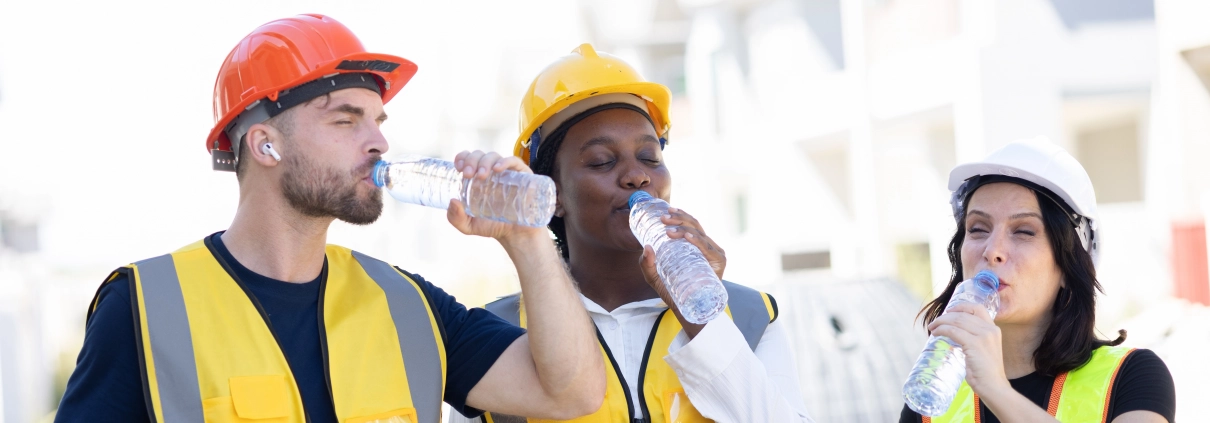
When the UK experiences warm sunny weather or a heatwave, many of us enjoy the change. However, for people working in hot conditions, higher temperatures can create real health and safety risks if they are not properly managed.
This can affect outdoor workers, such as those in construction, landscaping, highways, agriculture and maintenance, but it can also affect indoor workers in hot environments such as kitchens, laundries, bakeries, warehouses, workshops and manufacturing areas.
Employers and employees both have an important part to play in managing the risks. Employers must assess and control the risks created by hot working conditions, while employees should follow the control measures in place and take sensible steps to keep themselves and others safe.
The Law Around Working in Hot Conditions
In the UK, there is no specific maximum working temperature set by law. However, employers still have a legal duty to protect the health, safety and welfare of their employees.
Under the Health and Safety at Work etc. Act 1974, employers must take reasonably practicable steps to ensure the health, safety and welfare of employees at work. The Workplace (Health, Safety and Welfare) Regulations 1992 also require indoor workplace temperatures to be reasonable, taking into account the nature of the work being carried out and the working environment.
The Management of Health and Safety at Work Regulations 1999 require employers to assess risks to employees and others who may be affected by their work activities. This includes risks from heat, sun exposure, dehydration and heat stress.
For outdoor work, employers should consider weather conditions as part of their risk assessment and make suitable arrangements where hot conditions may affect workers’ health, concentration, physical ability or general safety.
What are the ill Effects of Working in Hot Conditions?
Hot working conditions can affect people in different ways. Some workers may be more vulnerable than others, including those who are new to the job, older workers, pregnant workers, those with certain medical conditions, those taking particular medication, or workers carrying out physically demanding tasks.
The possible effects include:
Heat Stress
Heat stress occurs when the body is unable to control its internal temperature properly. This can lead to reduced concentration, irritability, poor decision-making, slower reaction times and reduced physical performance.
Heat Exhaustion
Heat exhaustion is usually caused by excessive loss of water and salts through sweating. Symptoms may include dizziness, weakness, tiredness, headache, nausea, heavy sweating and feeling faint.
Heat Stroke
Heat stroke is a medical emergency. It can occur when the body’s temperature rises dangerously high and the body can no longer cool itself effectively. Signs may include confusion, hot dry skin, collapse, seizures or loss of consciousness. Immediate action is required.
Sunburn and Skin Damage
Outdoor workers are at risk of sunburn and longer-term skin damage from exposure to ultraviolet radiation. Repeated exposure can increase the risk of skin cancer.
Dehydration
Dehydration happens when the body loses more fluid than it takes in. It can lead to headaches, tiredness, dizziness, dry mouth, reduced concentration and reduced physical performance.
Increased Accident Risk
Heat can make people tired, distracted and less alert. This can increase the likelihood of mistakes, slips, trips, falls, poor manual handling, vehicle incidents and unsafe use of tools or equipment.
What Can Employers Do to Reduce the Risks?
Employers should take a sensible and proportionate approach to managing hot working conditions. The control measures required will depend on the type of work, the environment, the level of physical activity and the people involved.
Possible control measures include:
1. Carry Out a Risk Assessment
Employers should identify where heat may create a risk and assess who may be affected. The assessment should consider:
- the temperature and humidity;
- the level of physical work;
- whether the work is indoors or outdoors;
- the availability of shade, ventilation or cooling;
- the need for PPE or work clothing;
- the duration of exposure;
- whether workers are new, inexperienced or vulnerable;
- access to drinking water and rest areas.
The risk assessment should be reviewed when conditions change, including during periods of unusually hot weather.
2. Reduce Exposure to Heat
Where possible, employers should reduce the time workers spend in the hottest conditions. This may include scheduling more strenuous work for cooler parts of the day, rotating tasks, increasing rest breaks or moving work to shaded or cooler areas.
For outdoor work, employers should consider the timing of tasks and whether certain activities can be carried out earlier in the morning or later in the day.
3. Provide Suitable Rest Areas
Workers should have access to suitable rest areas away from direct heat where possible. For outdoor work, this may include shaded areas, welfare units or temporary shelters. For indoor work, it may include cooler rest rooms or areas with improved airflow.
Rest breaks should be meaningful. A short break in direct sun or in the same hot environment may not provide adequate recovery.
4. Provide Drinking Water
Cool drinking water should be readily available. Workers should be encouraged to drink regularly rather than waiting until they feel thirsty. In hot conditions, thirst can be a late sign that the body already needs fluid. For remote, mobile or site-based workers, this may mean providing bottled water or ensuring suitable arrangements are in place so that drinking water is available throughout the working day.
5. Improve Ventilation and Cooling
For indoor workplaces, employers should consider whether ventilation or cooling can be improved. This may include opening windows, using fans, improving air movement, installing local cooling or reviewing the layout of the work area.
Care should be taken to ensure that any cooling measures do not introduce additional risks, such as trailing cables, excessive noise or interference with local exhaust ventilation.
6. Review Clothing and PPE
Some PPE and work clothing can increase the risk of heat stress by trapping heat or restricting the body’s ability to cool down.
Where PPE is required, employers should consider whether lighter, better ventilated or alternative designs are available without reducing the level of protection required. PPE should not simply be removed where it is needed to control another risk.
7. Provide Information, Instruction and Training
Employees should understand the risks associated with hot working conditions and know what action to take if they or a colleague begin to feel unwell.
Training and toolbox talks can help workers recognise the early signs of heat stress, dehydration and heat exhaustion. Workers should also know how to report concerns and when to stop work and seek help.
8. Consider Vulnerable Workers
Some workers may be at increased risk during hot weather. This can include workers with certain medical conditions, pregnant workers, those taking medication, older workers, new starters and workers who are not used to hot conditions.
Employers should consider whether individual adjustments are needed, such as additional breaks, modified duties, closer supervision or temporary changes to work patterns.
What Can Employees Do to Help Keep Themselves Safe?
Employees also have an important role in managing the risks from hot working conditions. While employers must assess and control the risks, employees should follow the arrangements in place and take sensible steps to protect themselves and their colleagues.
Employees can help by:
1. Drinking Water Regularly
Drink water regularly throughout the day, even if you do not feel particularly thirsty. In hot conditions, it is better to drink smaller amounts more often than to wait until you feel very thirsty.
Employees should also be alert to signs of dehydration, such as headaches, dizziness, tiredness, dry mouth or dark-coloured urine.
2. Taking Breaks Properly
Use rest breaks properly and move to a cooler or shaded area where possible. A proper break from heat exposure can help the body recover and reduce the risk of heat stress.
Where additional breaks have been put in place because of hot conditions, employees should take them seriously rather than trying to “push through”.
3. Reporting Symptoms Early
Employees should report symptoms of heat stress, dehydration or heat exhaustion as soon as they appear. This includes dizziness, nausea, headache, cramps, confusion, weakness, heavy sweating or feeling faint.
Reporting symptoms early allows action to be taken before the situation becomes more serious.
4. Looking Out for Colleagues
Heat can affect judgement and concentration, so workers may not always recognise when they are becoming unwell. Employees should look out for changes in colleagues, such as confusion, unusual behaviour, poor coordination, irritability or signs of exhaustion.
If someone appears unwell, they should be moved to a cooler place, provided with water if safe to do so, and first aid support should be sought.
5. Wearing Suitable Clothing
Where the work allows, employees should wear lightweight, breathable clothing. Outdoor workers should cover exposed skin where possible, keep their top on, and wear suitable head protection such as a hat with a brim or neck cover.
Any clothing requirements should still be compatible with workplace rules, PPE requirements and the risks of the job.
6. Using Sunscreen
Outdoor workers should use a high-factor sunscreen, at least SPF30, on exposed skin. Sunscreen should be applied properly and reapplied as needed, particularly where workers are sweating or working for long periods outdoors.
Sunscreen should be seen as an additional control measure, not a replacement for shade, suitable clothing and sensible work planning.
7. Staying in the Shade Where Possible
When working outdoors, employees should use shaded areas whenever they can, especially during breaks and lunchtime. If shade has been provided, it should be used.
Where work has to be carried out in direct sunlight, employees should follow any arrangements for rotation, breaks or changes to working methods.
8. Following Workplace Controls
Employees should follow the control measures identified by the employer. This may include altered work patterns, task rotation, additional breaks, use of cooling equipment, drinking water arrangements or changes to PPE.
If a control measure is not working in practice, employees should raise this with their supervisor or manager.
9. Avoiding Unnecessary Physical Strain
Where possible, employees should avoid rushing, overexertion or unnecessary manual handling during hot conditions. Heat can make physical work more demanding, so pacing the work and using mechanical aids where available can help reduce the risk.
10. Raising Concerns
Employees should raise concerns if they believe hot conditions are creating a risk. This might include a lack of drinking water, inadequate rest areas, poor ventilation, unsuitable PPE or signs that workers are becoming affected by the heat.
Prompt reporting helps employers review the arrangements and take further action where needed.
All members of the workforce have a role to play in managing the risks associated with hot working conditions. By reporting concerns, following control measures and looking out for one another, employees can help create a safer working environment for everyone.
Conclusion
Working in hot conditions cannot always be avoided, but the risks can be managed with sensible planning, clear communication and practical control measures.
Employers should assess the risk, provide suitable controls and make sure employees understand what to do. Employees should follow the arrangements in place, drink water regularly, take breaks properly, report symptoms early and look out for colleagues.
By working together, employers and employees can help reduce the risk of heat stress, dehydration, sunburn and heat-related accidents.
Contact us today to discuss your requirements.
*Disclaimer: Please note that it is the duty of the employer to carry out a suitable and sufficient risk assessment to ensure that adequate controls are in place to protect workers against hot environments. This page is for information purposes only and does not constitute legal advice. The information on this page is intended as an overall introduction to working in hot environments. Practical Safety Ltd aims to avoid, but accepts no liability, if any information stated is incorrect or out of date.


