
Protecting Eyesight at Work
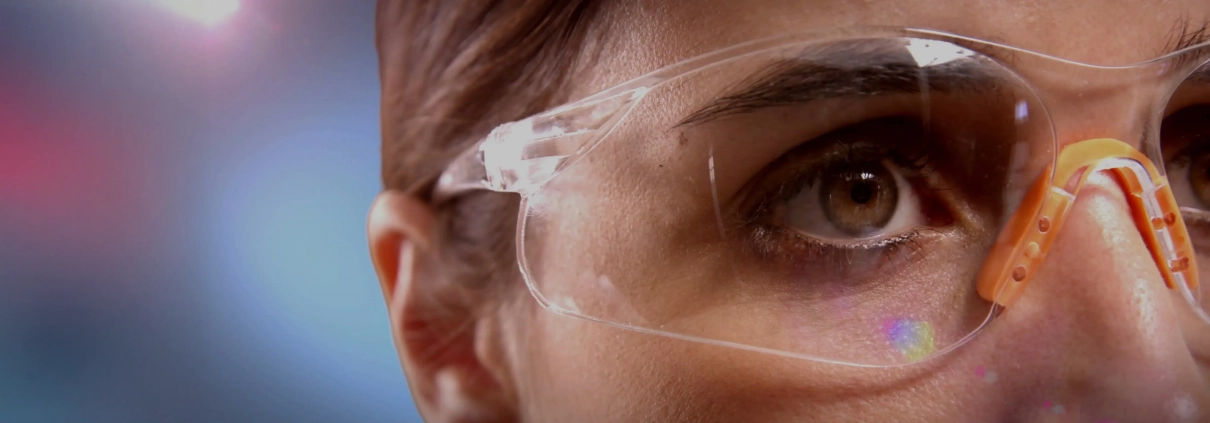
Your eyesight is one of your most valuable assets, yet workplace controls to protect it are often overlooked. Every day, workers across the UK are exposed to hazards that can cause temporary or permanent eye damage. From flying debris on construction sites to prolonged screen use in offices, the risks vary—but the consequences can be significant.
Understanding Workplace Eye Hazards
Workplace eye injuries typically arise from a small number of common hazards. Foreign objects, such as dust, metal fragments, or wood particles, remain a leading cause, particularly in environments involving cutting, drilling, or grinding. Chemical exposure presents another significant risk, in which splashes of cleaning agents, fuels, or industrial substances can cause immediate and serious harm.
Less visible, but increasingly relevant, is the effect of prolonged screen use. Digital eye strain can present as dryness, headaches, blurred vision, and fatigue. While not as acute as physical injury, it can affect productivity, well-being, and long-term comfort at work.
Legal Duties and Employer Responsibilities
Under UK health and safety legislation, employers are required to assess risks and implement suitable control measures to protect employees, including their eyesight. The Personal Protective Equipment at Work Regulations require suitable eye protection to be provided where risks cannot be adequately controlled by other means.
The Health and Safety (Display Screen Equipment) Regulations place additional duties on employers to manage risks associated with screen use. This includes ensuring workstations are appropriately set up, risks are assessed, and eye tests are made available where required.
Practical Control Measures
Effective eye protection begins with a suitable and sufficient risk assessment. Identifying how eye hazards arise allows organisations to implement proportionate and effective controls.
Engineering controls should be implemented where appropriate, including machine guarding, local exhaust ventilation, and physical barriers to reduce exposure. These measures, supported by safe systems of work and effective supervision, ensure risks are controlled at source.
Where risks cannot be adequately controlled by other means, suitable personal protective equipment such as safety glasses, goggles, or face shields should be provided. Equipment must be appropriate for the task, correctly fitted, and maintained in good condition. Poorly fitting or damaged eye protection can reduce visibility and discourage use, increasing overall risk.
For display screen equipment (DSE) users, the Health and Safety Executive recommends regular breaks or changes of activity. In practice, this may involve stepping away from the screen for approximately 5–10 minutes every hour, or taking shorter, more frequent pauses. Breaks should be taken before fatigue develops, rather than as a response to it.
Training and Awareness
Providing equipment alone is insufficient. Employees must understand the risks present in their work activities and the importance of appropriate control measures. Training should include the correct selection, use, and maintenance of eye protection, as well as the reporting of defects and incidents.
A positive safety culture is critical. Where eye protection is seen as a standard part of the job rather than an optional extra, compliance improves and risk is reduced.
Responding to Eye Incidents
Despite appropriate controls, incidents may still occur. A prompt and effective response is essential in minimising harm. Suitable first aid arrangements should be in place, including access to eye wash facilities where there is a risk of contamination from chemicals or debris, and the availability of suitably trained first aid personnel.
All incidents, however minor they may appear, should be reported and assessed. Early intervention can prevent more serious outcomes.
A Clear Focus on Prevention
The majority of workplace eye injuries are preventable. Through effective risk assessment, appropriate control measures, and ongoing training, organisations can significantly reduce the likelihood of harm.
At PSL, we support businesses in developing practical, compliant health and safety systems tailored to their specific operations. Protecting eyesight is not complex—but it does require consistent attention and proper implementation.
How Practical Safety Ltd Can Help
At Practical Safety Ltd (PSL), we support organisations in managing risks to eyesight through practical, proportionate measures aligned with UK legislation and Health and Safety Executive guidance.
We can assist with risk assessments, DSE compliance, appropriate PPE selection, and the development of clear, effective procedures. We also provide training and review existing arrangements to ensure controls are suitable and consistently applied.
Our focus is simple: implement what is necessary, ensure it works in practice, and embed it into day-to-day operations.
Conclusion
Protecting eyesight at work is straightforward when risks are properly understood. The hazards are well known, and the controls are simple. The real challenge is ensuring those controls are consistently applied in practice, monitored, and maintained over time, rather than existing only on paper.
Contact us today to discuss your requirements.
Disclaimer: This blog post is intended to provide general information purposes only. It should not be relied upon as legal or professional advice. Employers should always consult relevant UK legislation and, where necessary, seek competent health and safety advice tailored to their specific circumstances. Practical Safety Ltd aims to avoid, but accepts no liability, in the case that any information stated is incorrect, incomplete, or out of date.


